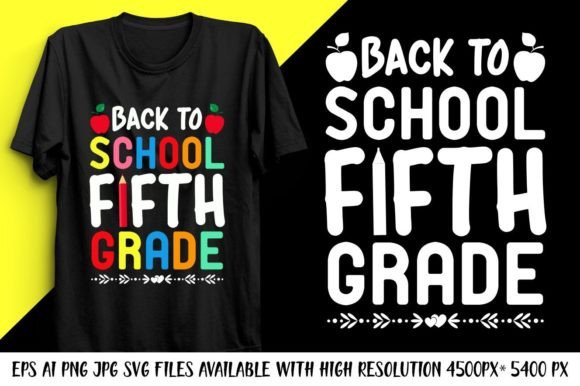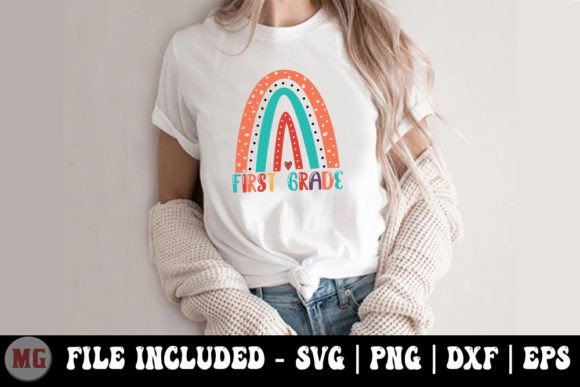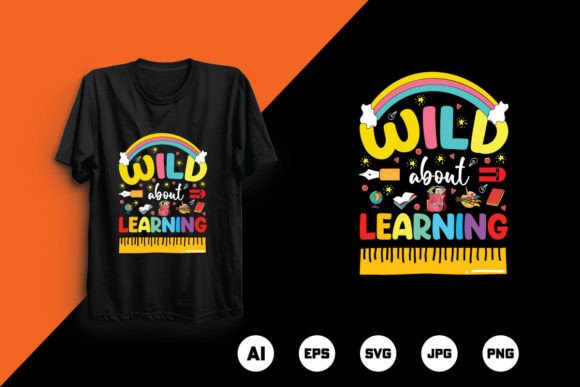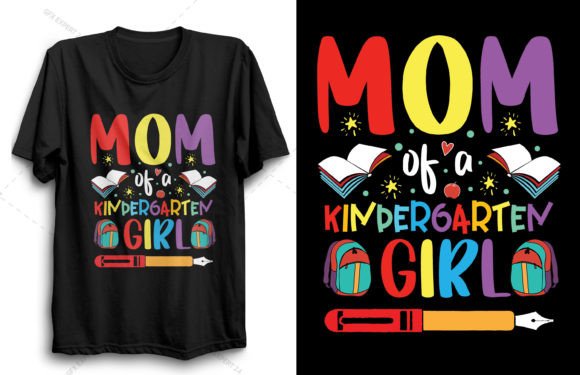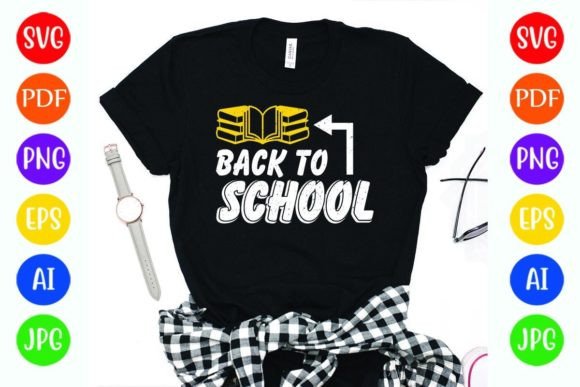
Back to School Book Vector: Graphics for T-Shirt Designs
First Impression: Friendly, Focused, and Ready for Real Campaigns
When I opened Back to School Book Vector, my immediate thought wasn’t “cute clipart”—it was “this has campaign legs.” The clean linework, balanced negative space, and intentional simplicity create a mood of approachable professionalism—neither overly playful nor stiffly academic. It lands perfectly for small business branding that wants to feel warm but credible: online coaches launching fall courses, indie stationery brands refreshing their social media graphics, or digital sellers building a printable design bundle for teachers and parents. It evokes curiosity and calm readiness—not chaos or clutter—making it ideal for lifestyle content, editorial design, and seasonal marketing visuals where clarity matters more than complexity.
Where It Shines in Brand & Marketing Workflows
I recently used Back to School Book Vector to build a cohesive back-to-school content kit for a client offering digital planners and habit trackers. Within minutes, I dropped it into Canva templates, resized it for Pinterest pins (1000×1500), and layered it over soft-gradient email banners—no pixelation, no distortion. Its vector foundation made every adaptation seamless. It performed exceptionally well across:
- Social media graphics: As a subtle watermark on Instagram Reels thumbnails and as a focal element in Facebook ads—boosting visual hierarchy without competing with copy.
- Packaging design: Printed crisply on kraft sticker sheets for planner inserts and product labels—its 100-vector-shape construction ensured sharp edges at any scale.
- Digital ads & web design: Scaled cleanly for responsive website headers and Google Display ads, maintaining brand identity even at 200px width.
- Merchandise & printable promotions: Applied directly to mockups for t-shirts, tote bags, and classroom posters—fully compatible with print-on-demand platforms thanks to its AI, EPS, SVG, and PDF deliverables.
- Editorial layouts & lead magnets: Paired with serif body text in downloadable checklists and blog graphics, reinforcing trust through consistent, polished marketing visuals.
How It Strengthens Core Marketing Goals
This isn’t just decoration—it’s strategic visual infrastructure. Back to School Book Vector supports stronger first impressions by anchoring messaging in recognizable, seasonally relevant symbolism. Its clean structure improves visual hierarchy instantly, guiding the eye toward headlines or CTAs. Because it’s built from scalable vector shapes—not rasterized PNG design or low-res clipart—it delivers consistent branding across touchpoints, reinforcing recognition and audience trust. For creative entrepreneurs launching digital products or small business owners preparing seasonal offers, it adds professional polish without demanding advanced design skills. And unlike generic illustration, its focused concept creates emotional connection: nostalgia meets intention, making it memorable in crowded feeds and email inboxes.
Best Use Cases: Context Is Everything
Reach for Back to School Book Vector when you need:
- Hero graphics for landing pages promoting educational tools or coaching programs
- Campaign headers that signal seasonal relevance without shouting
- Branded templates for Canva users—especially educators and content creators building resource libraries
- Social media covers and profile accents that reinforce niche positioning (e.g., “teacher-friendly tools”)
- Packaging accents for notebooks, stickers, or printed planners
- Decorative brand elements inside editorial design layouts or media kits
Where to Proceed Thoughtfully
While versatile, Back to School Book Vector isn’t universal. Avoid using it in formal corporate branding (e.g., law firm newsletters) or dense information layouts where visual noise could undermine readability. It’s less effective in small mobile graphics below 120px unless simplified further—test scaling early. On low-contrast backgrounds (e.g., light gray on off-white), verify legibility before finalizing. It also shouldn’t dominate text-heavy ads or compete with your primary message; treat it as supportive graphic design asset—not the star. And if your brand leans into ultra-minimalist aesthetics (think monochrome sans-serif + vast whitespace), this vector may feel too illustrative unless carefully edited down.
Practical Brand Designer Notes You’ll Want to Follow
Before locking it into your campaign:
- Test it with your full brand color palette—swap hues in Illustrator or Figma to see how it harmonizes with primary and accent tones.
- Check black-and-white usage: Does it retain impact when inverted or printed in grayscale? Essential for packaging and merch.
- Place it inside real campaign mockups—not just isolated previews—to assess balance, spacing, and contextual harmony.
- Preview on mobile screens at multiple sizes; many buyers use these graphics for Stories and Reels.
- Test readability in small sizes: Especially important if pairing with fine typography or embedding in app icons.
- Compare against competitor visuals—does it stand out while staying on-brand?
- Pair it with your font stack: Try serif (for authority), sans serif (for modernity), script (for warmth), and display fonts (for energy)—note which combinations elevate vs. distract.
- Confirm commercial license terms before using in paid campaigns, client work, or merchandise—this is a commercial design asset, but always verify scope.
Final Take: A Smart, Scalable Asset for Purpose-Driven Brands
Back to School Book Vector earns its place in a working designer’s toolkit because it bridges creativity and conversion. It’s not just another SVG design—it’s a flexible, print-ready, audience-aware graphic design asset built for real-world marketing constraints. Whether you’re a blogger curating seasonal content, a small business owner prepping back-to-school bundles, or a digital seller expanding your creative marketplace offerings, this vector delivers professional branding value without requiring hours of customization. When paired intentionally—with your voice, your colors, and your audience’s expectations—it becomes more than decoration. It becomes part of your story.