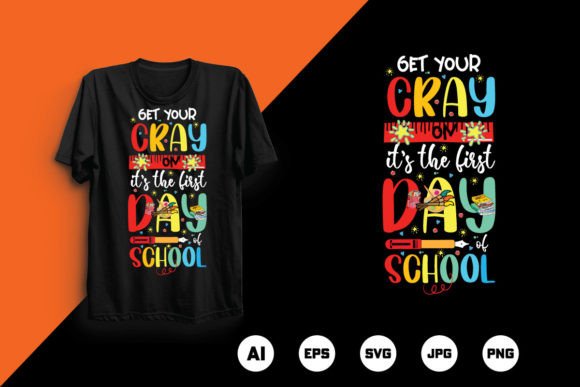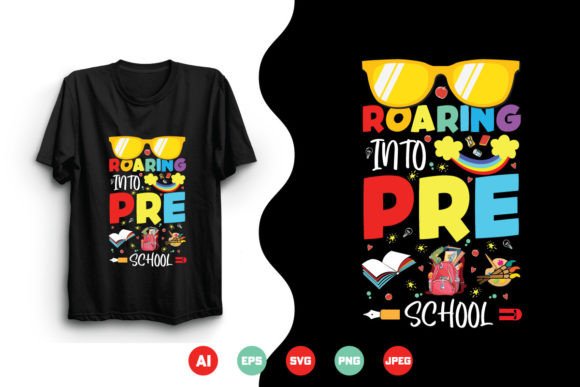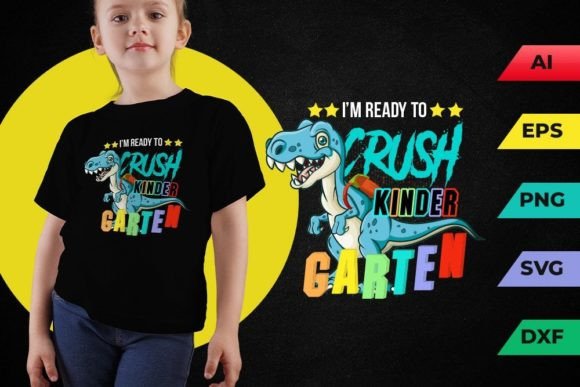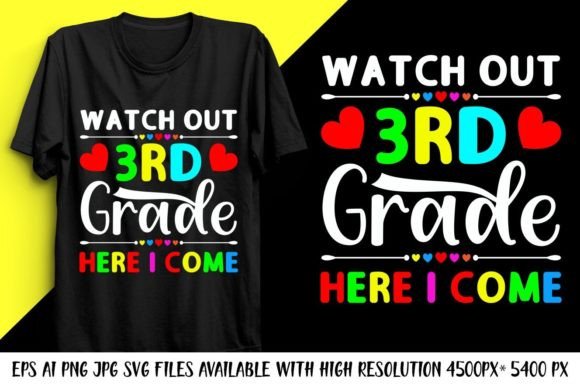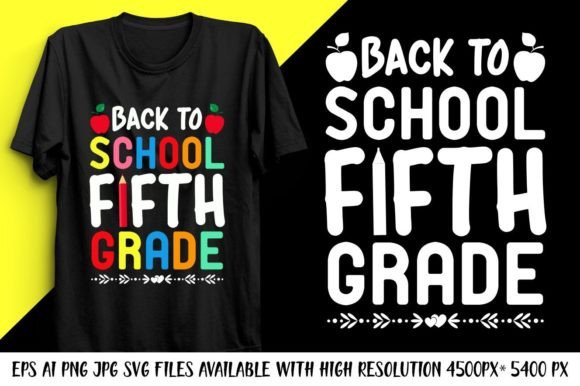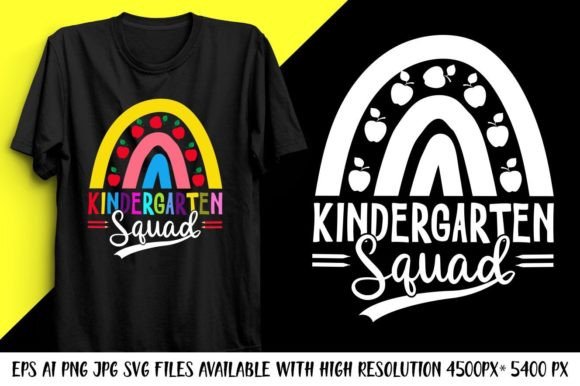
Back to School Tshirt Vector Art Print
A Designer’s First Look: Friendly, Nostalgic, and Ready for Stitching
When I opened the Back to School Tshirt Vector Art Print, my first thought wasn’t “cute” — it was “usable.” As someone who’s digitized hundreds of school-themed designs for embroidery clients, I appreciate when a graphic lands with clear hierarchy, balanced negative space, and intentional simplicity. This one does. The layout feels warm and inclusive — think chalkboard textures, soft serif lettering, and subtle icons like pencils, apples, or open books — all arranged in a way that breathes on fabric. It doesn’t scream “busy,” which is huge. For embroidery, breathing room means fewer stitch conflicts, cleaner satin edges, and better readability at 3–4 inches tall.
Where This Design Shines in Real Embroidery Projects
I recently used a version of this design for a custom embroidered tote bag for a local preschool teacher’s welcome kit. The Back to School Tshirt Vector Art Print translated beautifully: the vector files held crisp curves during digitizing, and the 100-color changeable feature gave me full control over thread selection — essential when matching school colors or coordinating with nursery palettes. It worked just as well on a lightweight cotton apron for a boutique kitchen shop and on a baby onesie (with adjusted stitch density and stabilizer). Because the core elements aren’t overly intricate — no micro-letters, no feathered edges, no overlapping fine lines — it holds up across sweatshirt embroidery, embroidered patches, and even tea towel monograms.
For Etsy sellers and craft fair vendors, this design bridges personalization and professionalism. A customer ordering a personalized gift? Add a name in the corner using the editable vector layers. Running a small shop selling back-to-school bundles? Pair it with a simple monogram or date stamp without overcrowding the composition. Its flexibility supports handmade product storytelling — not just “a shirt,” but “the first-day-of-kindergarten keepsake.”
Where to Proceed Thoughtfully
- Small hoop sizes: The full layout may need cropping for hoops under 4×4". Prioritize the central icon + main phrase — avoid squeezing everything into tight spaces where fill stitch density could cause puckering.
- Textured or stretchy fabrics: On fleece-lined sweatshirts or jersey tees, stabilize generously. The design’s clean outlines help, but satin-stitched letters still need firm backing to prevent distortion.
- Dark or layered garments: That high-res PNG (4500×5400 @ 300 dpi) is perfect for mockups, but remember: embroidery doesn’t have “background transparency.” Test thread color contrast thoroughly — light yellow on navy won’t read the same as it does on screen.
- Curved surfaces like caps: While the vector art is scalable, avoid placing detailed sections (like small icons or thin stems) directly over seams or crowns. Simplify or reposition for smoother stitch flow.
- Frequent-wash items: Baby clothes and kitchen towels demand durability. Review stitch density in the original embroidery file — if it’s dense in small areas, consider reducing underlay or switching some fills to lighter motifs.
What This Design Adds — and Doesn’t Add — to Your Finished Product
The Back to School Tshirt Vector Art Print elevates perceived value without demanding premium skill. Its visual personality says “thoughtful, not trendy” — ideal for boutique branding, teacher gifts, or family-owned apparel lines. Customers respond well to its sincerity; it avoids cartoonish clichés while keeping warmth intact. That translates to stronger buyer engagement, repeat orders, and more confident listings on Etsy or your own shop.
It doesn’t, however, replace thoughtful digitizing. As a graphics file (not a pre-digitized machine embroidery design), it requires conversion — meaning you’ll decide stitch types, direction, pull compensation, and underlay. That’s a strength for pros, but a step beginners should plan for. If you’re new to digitizing, pair this with a simple satin-stitch outline and conservative fill stitch — no need to force complex applique unless the project calls for it.
Practical Notes Every Embroidery Designer Should Run Through
- Test the design on scrap fabric *first* — especially if using textured cotton, linen blends, or performance knits.
- Check thread color contrast on both light and dark fabric backgrounds using a black-and-white mockup — what looks balanced on screen may vanish in stitch.
- Review stitch density in your digitizing software — look for areas where fill stitches might crowd small details or create stiffness.
- Confirm your hoop size fits the intended layout — don’t assume the full art fits a standard 5×7" without checking dimensions.
- Inspect tiny corners and interior cutouts (like apple stems or pencil erasers) — they may need manual cleanup or simplification for reliable stitching.
- Use appropriate stabilizer: tear-away for stable wovens, cut-away for knits, and fusible for lightweight linens.
- Verify licensing terms before selling finished products or digital embroidery files — the listing mentions multiple formats but doesn’t specify commercial use rights.
- Compare how the design reads at common sizes: 3", 4", and 5" wide — embroidery shrinks detail perception faster than print.
Final Thought: A Solid Anchor for Seasonal Craft Business
This isn’t a flashy, one-season novelty. The Back to School Tshirt Vector Art Print is a quiet workhorse — versatile enough for teacher appreciation bundles, nursery decor, personalized backpacks, and even holiday “first day of school” photo props. As a T-Shirt Designs asset, it’s adaptable beyond apparel: think embroidered pillow covers for dorm rooms, patch sets for scout uniforms, or iron-on transfers for classroom supplies. For creative entrepreneurs building a cohesive seasonal collection, it provides reliable visual continuity without locking you into rigid themes. Just remember: vector art is only as strong as the embroidery execution behind it. Respect the fabric, honor the stitch, and let this design do what it does best — connect, welcome, and endure.