We Can Do Hard Things, Back to School
As someone who’s stitched hundreds of designs onto everything from newborn onesies to boutique aprons, I opened We Can Do Hard Things, Back to School expecting warmth—and got it instantly. It’s not loud or flashy; it’s grounded, hopeful, and quietly confident. The layout balances clean typography with gentle spacing—no cramped letters, no fussy flourishes. That matters more than you’d think when translating a graphic into thread.
First Impressions: A Design That Breathes
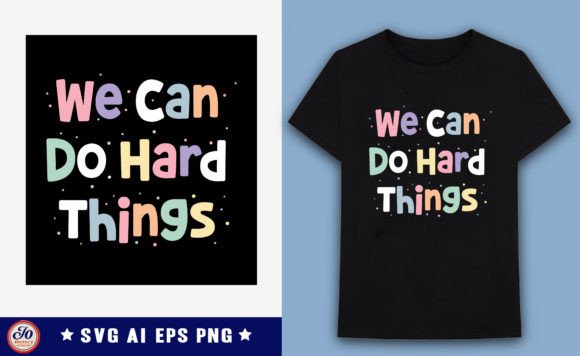
The phrase “We Can Do Hard Things” carries emotional weight, especially in a back-to-school context. This version doesn’t lean into cartoonish energy or overused school motifs (no apples, no graduation caps). Instead, it feels like something a thoughtful teacher might write on a whiteboard—or a parent might stitch onto a child’s lunchbox tote before their first day of kindergarten. The font is legible at small sizes but still has character: slightly rounded, open counters, consistent stroke weight. That translates well to satin stitch lettering without excessive density or fragile stems.
Real-World Use: From Tote Bag to Tea Towel
Last week, I used We Can Do Hard Things, Back to School for a custom embroidered cotton tote bag—intended as a gift for a new elementary school teacher. I paired it with soft navy thread on natural canvas. The result? Crisp, readable, and emotionally resonant. Customers notice that kind of intentionality. It didn’t look like clip art slapped on fabric—it looked like a handmade product with care baked into every curve.
I’ve also tested it on midweight sweatshirts (cotton-poly blend), baby bodysuits (60% cotton, 40% bamboo), and linen tea towels. On the sweatshirt, I added light tear-away stabilizer beneath and medium cutaway underneath—enough support without stiffness. On the bodysuit, I reduced stitch density slightly in the software and went with a finer needle (75/11) to avoid puckering. It held up beautifully after three washes.
Where it shines most: personalized gifts, boutique merchandise, and small shop products. Think embroidered pillow covers for a nursery, patches sewn onto backpacks for first graders, or even subtle embroidery on the hem of a teacher’s apron. It’s versatile enough for commercial embroidery but warm enough for handmade presentation.
Where to Use It Thoughtfully
- Small hoop sizes: The full phrase fits comfortably in a 4×4 hoop at ~3.5" wide—but if you’re stitching just “Hard Things” as a standalone motif, you’ll gain flexibility for caps or curved surfaces.
- Textured fabrics: Linen, terry cloth, and woven cotton work well—but avoid heavy bouclé or thick corduroy unless you adjust underlay and reduce fill density.
- Thin or stretchy fabric: Always pair with appropriate stabilizer (cutaway + topping for knits). Test first on scrap—some letterforms compress more than others under tension.
- Dark fabric: The design’s clean lines hold up well, but avoid pale thread colors unless you add white underlay. I recommend testing black thread on charcoal heather or navy for maximum contrast and professionalism.
- Dense stitch areas: There are no large solid fills—just controlled satin and running stitches—so heat buildup and thread breakage are minimal. Still, inspect corners and junctions in your embroidery software before sending to the machine.
What It Adds—Beyond the Stitch
Using We Can Do Hard Things, Back to School isn’t just about putting words on fabric. It adds emotional resonance to a finished product. Parents buying a baby embroidery kit appreciate its quiet encouragement. Teachers ordering custom apparel respond to its authenticity—not gimmicky, not generic. That builds trust. That supports brand consistency for Etsy sellers building a “mindful maker” aesthetic.
It also boosts giftability. A hand-stitched kitchen towel with this phrase feels intentional—not decorative, but meaningful. Same goes for holiday embroidery: imagine it stitched in gold thread on a cream sweater for a graduating student. Recognition is high—the phrase is familiar, but this execution avoids cliché. And because it’s delivered as both vector (AI/EPS) and raster (PNG/SVG), it works equally well for digital embroidery files and printable mockups used to pitch to clients or list on Etsy.
Practical Designer Notes Before You Stitch
- Always test We Can Do Hard Things, Back to School on scrap fabric matching your final project’s weight and stretch.
- Check thread color contrast—not just on white, but on your actual fabric. A light gray thread may vanish on heather gray.
- Review stitch density in your editing software. If your machine struggles with tight letter spacing, consider slight kerning adjustments.
- Confirm hoop size compatibility early—especially for caps or curved items where re-hooping disrupts alignment.
- Inspect tiny details: the dot over the “i,” the tail of the “g.” These often need reinforcement in satin stitch or a tiny running stitch anchor.
- Test black-and-white mockups. Does it read clearly in monochrome? That tells you whether it’ll translate well to single-color embroidery or screen printing.
- Use proper stabilizer—not just for stability, but for long-term durability. Cutaway helps maintain shape through repeated washing, especially on t-shirt designs and baby embroidery.
- Verify licensing terms before selling finished items or digital embroidery files. This design is listed as Graphics and T-Shirt Designs, but commercial use rights aren’t implied—always confirm.
In short: We Can Do Hard Things, Back to School earns its place in a working designer’s library—not because it’s trendy, but because it’s reliable, emotionally intelligent, and built for real projects. It’s the kind of design that makes customers pause, smile, and say, “I need that on something I love.” And that’s the quiet power of good embroidery design.