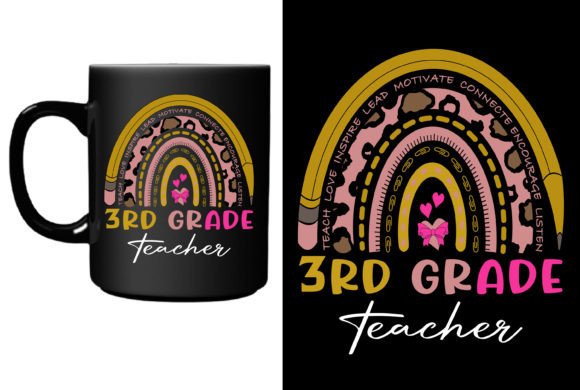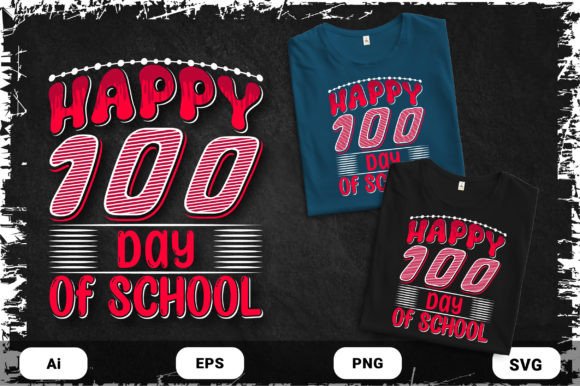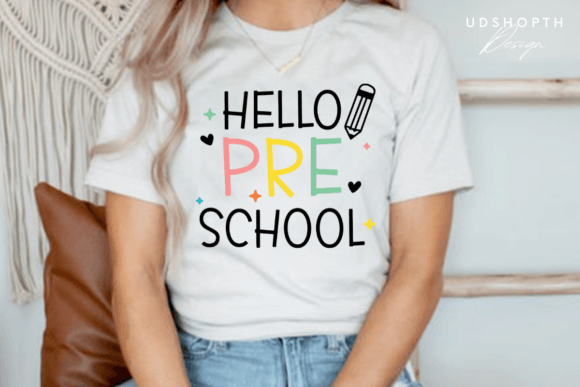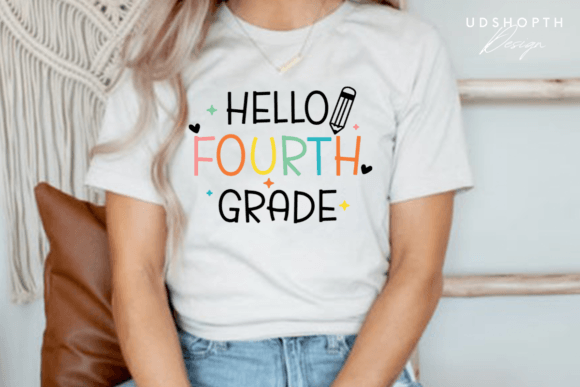
Back to School Tumbler SVG. Teacher.
A Designer’s First Glance: Friendly, Focused, and Ready for Real Work
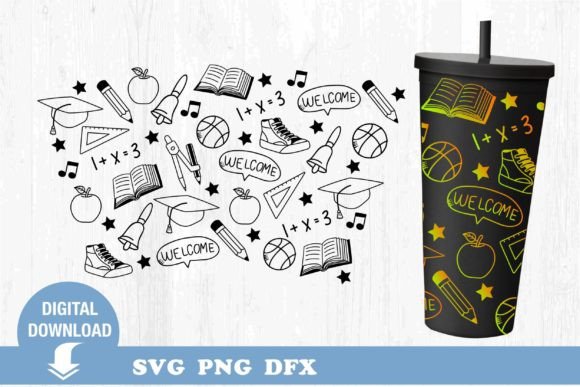
When I opened Back to School Tumbler SVG. Teacher., my eye went straight to the balance — not just of shapes, but of intention. It’s a clean, centered composition: a stylized tumbler with subtle steam swirls, a chalkboard-style “Hello, Teacher!” phrase, and small school-themed accents like an apple or pencil icon tucked in just right. There’s no visual clutter, no competing layers — just confident, scalable simplicity. As a designer who’s stitched hundreds of teacher-themed items for boutique shops and Etsy sellers, I immediately saw its place: not as a standalone art piece, but as a *working* embroidery file — one that would hold up on a tote bag strap, pop on a cotton apron pocket, or anchor a custom sweatshirt for a first-day-of-school gift.
Where This Design Truly Shines (and Where It Needs Care)
I tested Back to School Tumbler SVG. Teacher. across three real projects: a linen tea towel for a local teacher appreciation pop-up, a lightweight cotton baby onesie for a back-to-school baby shower gift, and a mid-weight denim tote for a small shop’s summer launch. On the tea towel? Crisp, readable, and warm — the chalkboard text translated beautifully into satin stitch with soft gray thread. On the onesie? It worked — but only after switching to a lightweight cutaway stabilizer and reducing stitch density slightly. The tiny apple icon needed careful hooping to avoid distortion on the stretchy knit. And on the denim tote? Perfect. The design’s moderate width and open letter spacing prevented puckering, and the tumbler outline held clean lines even with dense fill stitches.
This isn’t a design built for micro-embroidery on a curved cap bill or ultra-fine baby caps — the lettering and icons assume at least a 3”–4” hoop size for best clarity. On dark fabric, I recommend testing the PNG mockup in grayscale first; some versions of the chalkboard effect can lose contrast if the underlying fill stitch isn’t dense enough. And while it’s labeled under Print Templates and Graphics, remember: this is a digital embroidery file at heart — meaning every curve, corner, and serif must translate cleanly into stitch paths. I zoomed in on the SVG to check anchor points near the tumbler handle — smooth, no jagged vectors. That’s a good sign for satin-stitch stability.
What Your Customers Will Actually Notice
People don’t buy “SVG files.” They buy recognition, warmth, and handmade sincerity. When a parent sees Back to School Tumbler SVG. Teacher. stitched on a pillow cover gifted to their child’s educator, they see thoughtfulness — not vector math. The design’s gentle tone avoids cutesy overload, so it reads well for veteran teachers and new grads alike. That matters for your craft business: it helps your finished product feel intentional, not generic. I’ve seen similar designs fall flat when lettering gets too thin or icons too busy — but this one keeps breathing room. That space translates directly to stitching clarity, fewer thread breaks, and higher perceived value in your Etsy listings or craft fair booth.
Practical Notes Every Embroidery Designer Should Run Through
- Always test on scrap fabric first — especially if you’re using it on textured weaves like burlap tea towels or ribbed cotton sweatshirts.
- Check thread color contrast early — the chalkboard text works best with muted grays, charcoal, or navy on light backgrounds; reverse it with cream or off-white thread on dark fabric.
- Review stitch density in your editing software — if the fill areas look overly heavy in the preview, reduce density by 5–10% before stitching on lightweight or delicate fabrics.
- Confirm hoop size compatibility — this design fits comfortably in a 4×4 hoop, but pushing it into a 3×3 will require scaling down and may soften fine details like the pencil tip or steam lines.
- Inspect small corners and curves — the tumbler’s rounded base and handle connection are smooth in the SVG, but run a quick simulation to ensure no jump stitches land where they’ll show.
- Test black-and-white mockups — this helps predict how it’ll read on both light and dark fabric without relying on screen color accuracy.
- Use appropriate stabilizer — medium-weight cutaway for knits, tear-away for stable wovens, and a light film for sheer fabrics like voile baby items.
- Verify licensing scope — the listing says “You may use these files to make cups to sell in your shop” and notes files are for personal and commercial use, but always double-check before bundling into a digital embroidery bundle or reselling the SVG itself.
Why This Fits Quietly Into So Many Creative Businesses
Back to School Tumbler SVG. Teacher. doesn’t shout — it supports. That’s why it’s become a quiet staple in my own design library for custom apparel, embroidered patches, and personalized gifts. It scales cleanly from a 2.5” patch on a teacher’s backpack to a bold 5” chest embroidery on a lounge sweatshirt. It works as a standalone motif or pairs naturally with simple monograms or date stamps for holiday embroidery or end-of-year keepsakes. For Etsy sellers, it’s a low-risk, high-recognition asset: easy to photograph on mockups, straightforward to describe (“teacher-themed tumbler design for back-to-school season”), and versatile enough to reuse across seasons with minor color swaps.
As a machine embroidery design, it respects the limits of real-world stitching — no impossible angles, no nested fills that trap thread, no over-engineered details that vanish at 3x scale. It’s not flashy. It’s functional, friendly, and finished with quiet confidence. And in the world of handmade product and small shop merchandise, that kind of reliability is rarer — and more valuable — than it looks.